Friable Asbestos Removal Brisbane
Class A licensed asbestos removal for friable materials, LDB and higher risk asbestos concerns.
Friable asbestos needs a careful, licensed approach because loose fibres can become airborne when the material is disturbed. SafeZone Asbestos Services provides friable asbestos removal Brisbane property owners can book when suspected asbestos is soft, damaged, brittle, dust-like or connected with low density asbestos fibre board. Our team works across homes, investment properties, commercial premises and project sites throughout Brisbane and South East Queensland.
If you are planning a renovation, demolition, repair or insurance make-safe and you have found crumbling wall board, old insulation, damaged ceiling material, asbestos-contaminated dust or possible LDB, do not cut, scrape, drill or sweep it. The safest next step is to stop work, restrict access and arrange professional advice. SafeZone can help you plan the right pathway from testing through to licensed removal and documented site handover.
What Is Friable Asbestos?
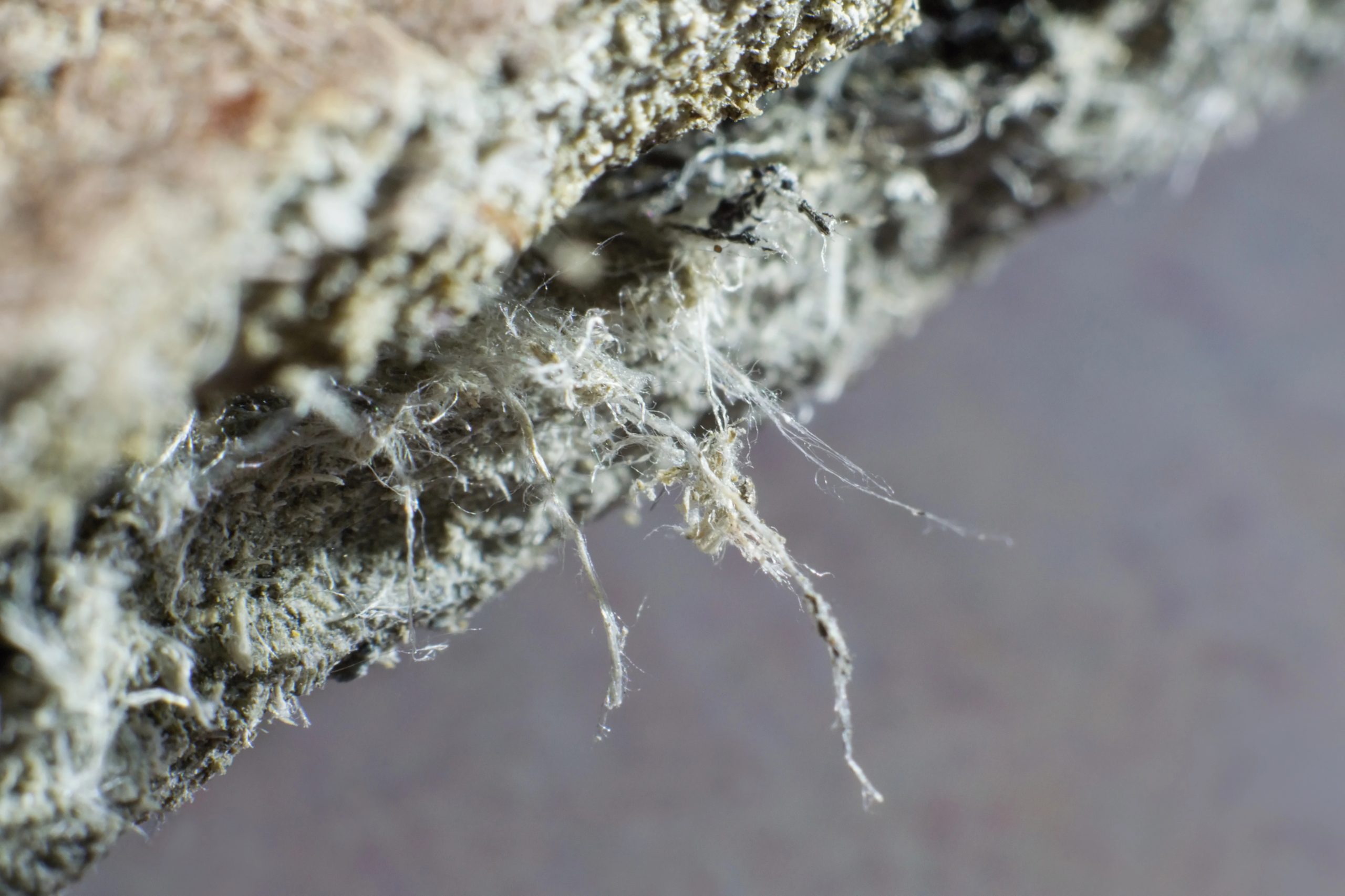
Friable asbestos is asbestos-containing material that can be broken down by hand pressure when dry. Because it is easier to crumble, tear or release fibres, it is treated as higher risk than bonded asbestos sheeting. Friable asbestos may be found in older insulation, pipe lagging, sprayed coatings, some backing materials, damaged asbestos board, contaminated dust and certain old underlays.
Non-friable asbestos, also called bonded asbestos, is usually mixed into a harder product such as cement sheeting. It can still become dangerous when cut, sanded, broken, drilled or left to deteriorate. A property may contain both types, which is why professional asbestos testing and inspections should come before renovation or removal decisions.
LDB Removal and Why It Matters
LDB means low density asbestos fibre board. It can look similar to plasterboard or asbestos cement sheeting, but it is softer and more likely to tear or break into small pieces. Queensland guidance treats LDB as friable asbestos material, so removal needs a Class A licensed asbestos removalist. This makes it different from standard bonded wall sheeting or eaves.
Possible LDB should never be tested by bending, snapping or scraping it. If a ceiling tile, wall panel or old board looks unusual, has a soft surface, dents easily, or is listed in an asbestos register, treat it as a serious asbestos concern until confirmed by a qualified inspection and laboratory testing.
Class A Licence for Friable and Non-Friable Asbestos
SafeZone Asbestos Services holds Class A licence 3030404. This is important for customers because Class A licensing is linked to friable asbestos removal, while Class B is limited to non-friable asbestos work. A Class A removalist can manage friable asbestos and can also carry out non-friable asbestos removal when needed.
For homeowners, this means one licensed team can assess the project more broadly. If your job starts as suspected bonded sheeting but the site also contains friable material, damaged debris or LDB, SafeZone can guide you through the right removal process without treating all asbestos as the same risk.
Friable Asbestos Materials We Can Help With
- Low density asbestos fibre board, also called LDB or asbestos insulating board.
- Damaged or crumbling asbestos wall and ceiling materials.
- Asbestos-contaminated dust and debris connected with previous disturbance.
- Old insulation and lagging that may contain asbestos fibres.
- Friable asbestos discovered during whole house asbestos removal or major strip-outs.
- Higher risk asbestos found during bathroom asbestos removal, roofline work or pre-demolition checks.
Our Friable Asbestos Removal Process
Initial discussion
We ask what has been found, where it is located, whether work has already started and whether the area can be isolated.
Inspection and testing
If the material is not confirmed, we recommend sampling through asbestos testing and inspections before removal planning.
Removal planning
We prepare a job-specific removal method, access controls, containment approach and disposal plan.
Site set-up
The work area is isolated with signage, barriers and equipment suited to the risk level.
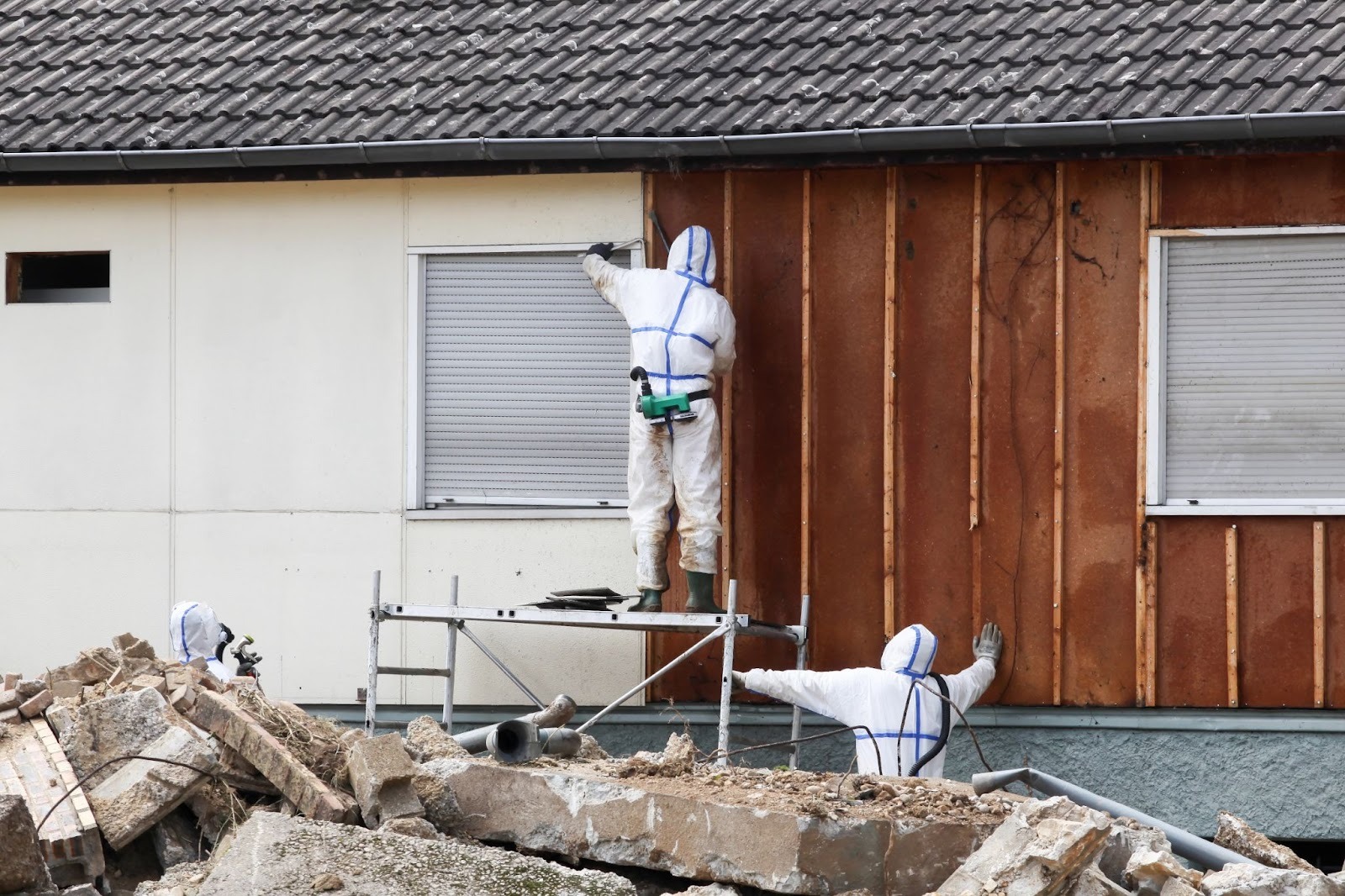
Class A removal
Friable materials are removed using controlled methods designed to reduce fibre release.
Cleaning and decontamination
The area is cleaned using suitable asbestos control methods, with waste sealed and handled correctly.
Independent checks
For Class A work, independent licensed asbestos assessor involvement may be required for air monitoring, clearance inspections and clearance documentation.
Final handover
We explain the completed work and provide practical next steps before trades or occupants return to the affected area.
When to Call SafeZone
You have found soft, crumbly or dust-like material in an older home or building.
A building report mentions friable asbestos, LDB or asbestos-contaminated dust.
A builder has stopped work because suspected asbestos was uncovered.
You manage a workplace, rental property, school, unit complex or commercial site where asbestos compliance matters.
Why Choose SafeZone Asbestos Services?
- Class A Licence 3030404 for friable asbestos removal capability.
- Local Brisbane and South East Queensland service coverage.
- Clear quoting and straightforward communication before work begins.
- Practical support for homeowners, builders, property managers and businesses.
- Removal planning that considers testing, containment, disposal and clearance needs.
- Existing service support across residential, commercial, industrial, demolition and specialty asbestos removal.
Areas We Service
We service Brisbane, Redlands, Logan, Gold Coast and Moreton Bay.
Friable Asbestos / LDB Removal FAQs
Is friable asbestos more dangerous than bonded asbestos?
Friable asbestos is treated as higher risk because fibres can be released more easily when the material is disturbed. Bonded asbestos can also become unsafe if it is damaged, cut, sanded or weathered.
Does LDB need a Class A asbestos removalist?
Yes. Queensland guidance identifies LDB as friable asbestos material, so removal must be handled by a Class A licensed asbestos removalist.
Can I clean up asbestos dust myself?
No. Do not sweep, vacuum with a household vacuum, blow or wipe suspected asbestos dust. Keep the area isolated and call a licensed professional for advice.
Do I need testing before removal?
If the material has not been confirmed, testing is the safest way to identify what it is and plan the correct removal method.
Can SafeZone remove both friable and non-friable asbestos?
SafeZone holds Class A licence 3030404. A Class A removalist can handle friable asbestos and is also authorised for non-friable asbestos removal work.
Get a Class A Friable Asbestos Quote
Do not disturb suspected friable asbestos or LDB. Keep people away from the area and speak with SafeZone about the safest next step. Use the asbestos removal cost calculator for early budgeting on common jobs, or contact SafeZone for a quote based on your property and material risk.