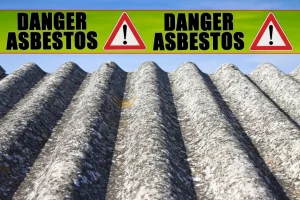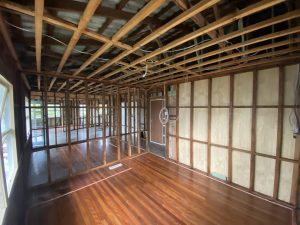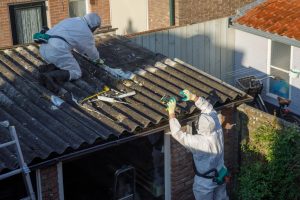
The discovery of asbestos in coloured sand and children’s play sand sent ripples through Australian communities recently, particularly Brisbane families who unknowingly exposed their children to this deadly substance. The Australian Competition and Consumer Commission (ACCC) and other consumer commission bodies have been instrumental in product recalls and enforcing safety standards for children’s sand products across Australia.
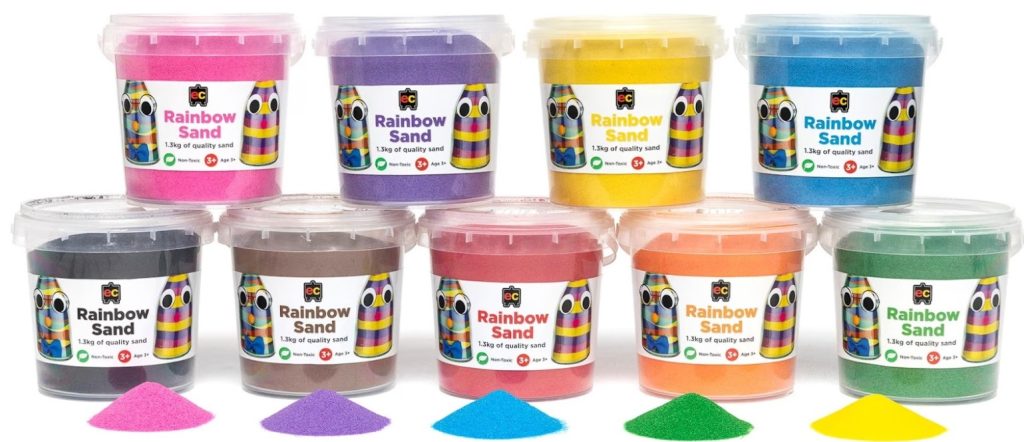
This has affected a wide range of coloured sand products including brightly coloured and rainbow sand, as well as specific brands such as Kadink Sand, Kadink Decorative Sand, Zart Art and those supplied by Educational Colours and Supplier Educational Colours. These children’s sand products are marketed as modern teaching aids and educational colours but contamination was found in products that may contain naturally occurring asbestos. If you have purchased decorative or craft sand for your home, knowing the risks and when professional asbestos removal for coloured sand is required will protect your family’s health and keep your property safe.
Asbestos Contamination in Play Sand Crisis
Between 2015 and 2019 numerous brands of coloured craft sand and children’s play sand sold in Queensland were found to contain tremolite asbestos, a highly toxic mineral fibre. Asbestos is a naturally occurring mineral and tremolite asbestos a naturally occurring asbestos was found in these products.
The contamination occurred because some manufacturers sourced raw materials from quarries that contained naturally occurring asbestos deposits. When processed into decorative sand products these asbestos fibres became easily disturbed and airborne and posed serious health risks to anyone handling the material. Health authorities issued multiple recall notices for sand products that may contain asbestos and asbestos was found in tested samples.
Health Risks of Contaminated Sand Products
Asbestos exposure from contaminated sand carries the same serious health risks as any other form of asbestos contact. When disturbed microscopic asbestos fibres become airborne and can be inhaled or ingested especially dangerous for young children who often put their hands in their mouths during play. Educating kids and their parents about the hazards of asbestos exposure from contaminated sand and raising awareness about safety precautions is key to minimising health risks.
How to Identify Contaminated Sand in Your Brisbane Property
Determining if your coloured sand or play sand contains asbestos requires professional assessment as asbestos fibres are invisible to the naked eye. However certain product characteristics and purchase history can indicate potential contamination. Special attention should be paid to products that may contain asbestos especially those purchased during the affected period.
Note the product’s origin and packaging details. Many contaminated products came from specific suppliers or were repackaged under various brand names making identification challenging without professional testing. Sand used in indoor craft projects, sensory bins, sandpits or decorative displays all warrant investigation if purchased during the affected period.
Never attempt to test or disturb suspected asbestos containing sand yourself. Even minor disturbance can release dangerous fibres into your home environment.
Professional Asbestos Removal for Children’s Sand
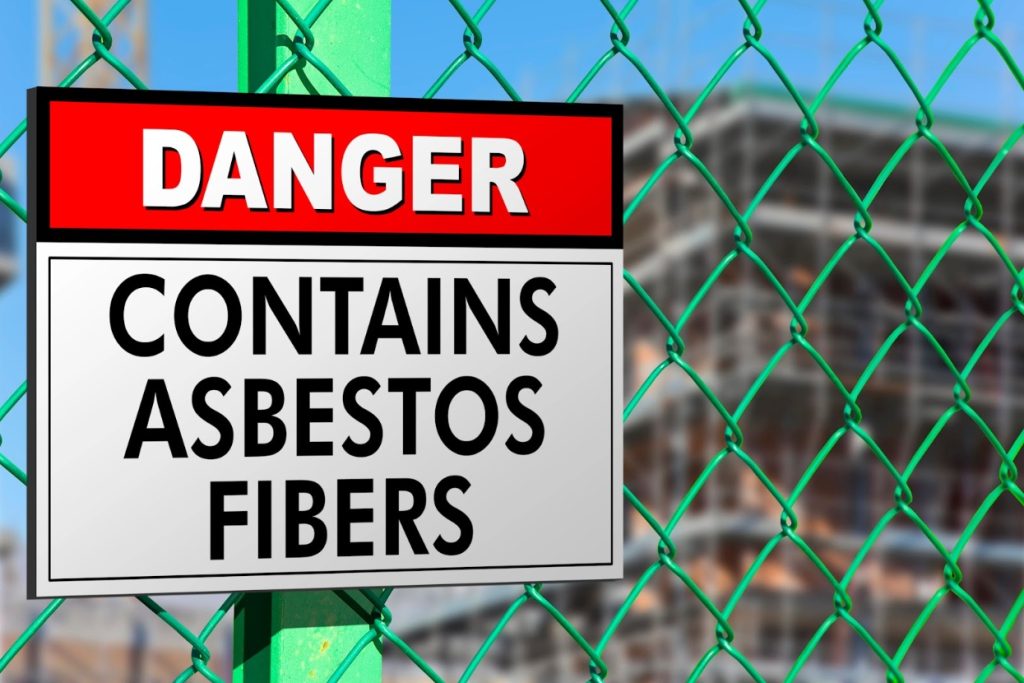
Professional asbestos removal for children’s sand follows strict protocols established by SafeWork Queensland, Safety Queensland and workplace health regulations to ensure compliance and safety. Licensed asbestos removalists in Brisbane use special procedures to ensure complete contamination elimination whilst protecting your family and property. Asbestos management plans are essential and industry experts oversee the process to maintain the highest safety standards. Reputable asbestos removal companies often service a wide area including Brisbane, the Gold Coast and the Sunshine Coast. The size and configuration of the affected area determines the removal process and the safety measures required.
Initial Assessment and Testing
The process starts with a thorough site inspection where licensed assessors identify all areas where contaminated sand may be present. They collect tested samples using proper containment techniques and send them to NATA-accredited laboratories. Laboratory testing confirms asbestos presence, identifies fibre types and determines contamination levels.
Containment and Preparation
Once asbestos is confirmed removalists set up containment zones using heavy-duty plastic sheeting and negative air pressure systems. These measures prevent asbestos fibres from spreading to unaffected areas during removal. All furniture, belongings and household items in affected areas are either removed or sealed under protective covering.
Safe Removal and Disposal
Disposal of asbestos is a critical part of the process and must be done by licensed professionals to ensure safe disposal and compliance with local laws. The collected material is double-bagged in asbestos-rated disposal bags, clearly labelled and transported to approved asbestos waste facilities for proper asbestos disposal. All contaminated materials are disposed of at licensed facilities and improper disposal or failure to dispose of asbestos correctly poses significant health and environmental risks.
Decontamination and Clearance Testing
After removal affected areas are HEPA vacuumed and wet wiped to remove residual fibres. An independent assessor then conducts air monitoring and surface sampling to verify the area is safe for reoccupation. Only after receiving clearance certificates can you safely return to using the affected spaces.
Why DIY Removal of Contaminated Sand is Illegal and Dangerous
Queensland legislation prohibits unlicensed asbestos removal including contaminated sand disposal. The Work Health and Safety Regulation 2011 states any asbestos removal work must be done by licensed professionals and penalties include heavy fines and criminal charges.
Many Brisbane residents have unknowingly contaminated their homes by trying to clean up suspected asbestos containing sand themselves. This well-intentioned action often requires more extensive and costly professional remediation than if they had called in licensed removalists in the first place.
Choosing a Licensed Brisbane Asbestos Removal Company
Choosing a removalist for asbestos removal for children’s sand requires verification of credentials and experience. Every removalist working on your property must have a current asbestos removal licence issued by SafeWork Queensland, either Class A for unrestricted work or Class B for non-friable asbestos removal.
Ask for proof of public liability insurance and workers’ compensation coverage. These protections cover you in case of accidents during removal work. Reputable companies will provide insurance certificates and licence documentation without hesitation. Experience with contaminated sand removal is beneficial as this work presents unique challenges compared to building material asbestos. Companies familiar with residential contamination scenarios understand the emotional stress families go through and use appropriate communication and customer service approaches.
Check reviews, testimonials and references from previous clients especially those with similar residential contamination situations. Professional associations like the Asbestos Removal Contractors Association show commitment to industry best practices and ongoing professional development.
Post Removal Property Restoration and Maintenance
After receiving clearance certification your property needs to be thoroughly cleaned before you can return to normal use. Professional cleaning services experienced in post asbestos work can deep clean carpets, upholstery and surfaces using HEPA filtered equipment and appropriate techniques.
Some materials may need to be replaced rather than cleaned, especially porous items like carpet, curtains or upholstered furniture in heavily contaminated areas. Your removalist can advise which items are safe to keep and which pose continued contamination risks.
Keep detailed records of all testing results, removal work and clearance certificates. These documents protect your property value by showing professional remediation and provide legal protection should questions arise during future property transactions.
For sandpits or outdoor play areas where contaminated sand was present soil testing may be required to confirm surrounding areas are uncontaminated. If soil contamination is found additional remediation may be required to make your garden safe for children and pets.
Act Now for Your Brisbane Family
If you think your home has coloured sand or children’s play sand, get a professional assessment today. Delaying only prolongs exposure and spreads contamination throughout your home.
Call licensed Brisbane asbestos removal experts today for a property inspection. Professional coloured sand removal makes your home safe again, your family’s health and your property’s value. Don’t risk your children’s future by trying DIY solutions or ignoring the problem. Professional removal is the only safe, legal and effective way to remove asbestos from your home.