Finding out you’ve disturbed asbestos can be a scary experience. Many people only find out the risks when they find asbestos during renovations or repairs, so immediate action is crucial to prevent health hazards. Whether you’ve broken asbestos sheeting during a DIY renovation, drilled into an old wall or damaged fibro materials, you need to respond correctly and immediately. Asbestos in building materials is not dangerous if left untouched, but it’s hazardous when disturbed. This guide will walk you through the exact steps to take to protect yourself, your family and anyone else who may have been exposed.
The Immediate Danger
Asbestos becomes hazardous when its fibres become airborne. When asbestos-containing materials are disturbed through cutting, drilling, sanding, breaking or even water damage, microscopic fibres can be released into the air. These fibres are invisible to the naked eye but can be inhaled deep into the lungs where they can remain for decades. Once inhaled asbestos fibres can become lodged in lung tissue and cause long term health problems.
The health risks from asbestos exposure are serious and include:
- Asbestosis (lung scarring)
- Mesothelioma (cancer of the lung lining)
- Lung cancer
- Pleural diseases
Asbestos exposure can cause fatal diseases including the above.
While a single brief exposure is unlikely to cause immediate health problems, any exposure carries some level of risk. The risk increases with the duration and intensity of exposure so your immediate action matters.
Step 1: Stop All Activity Immediately
As soon as you think you’ve disturbed asbestos, stop what you’re doing straight away. Stop all activity in the affected area immediately. Do not continue working in the area even to “finish up” or “clean things properly”. Every second of disturbance releases more fibres into the air.
Leave all tools and materials exactly where they are. Do not try to sweep, vacuum or dust the area as these actions will further disturb the fibres and increase airborne concentrations. Standard household vacuum cleaners are particularly dangerous as they don’t have the special filtration required to capture asbestos fibres so they’ll just blow the fibres back into the air.
Step 2: Evacuate and Isolate the Area
Remove everyone from the area, including pets. The contaminated zone should extend at least several metres beyond where the disturbance occurred as fibres can travel through the air.
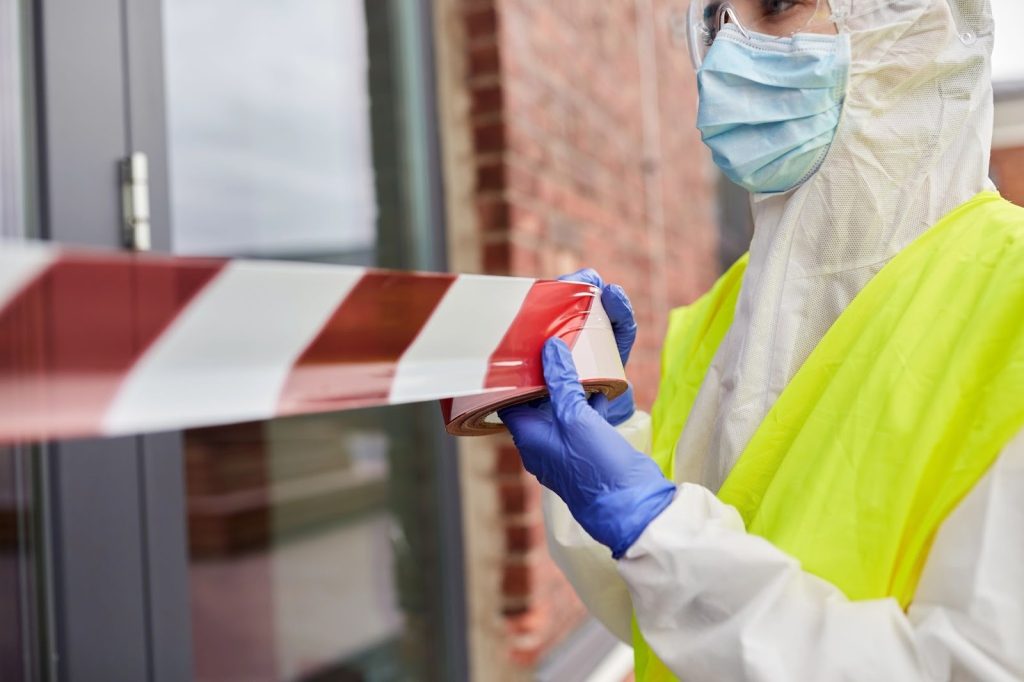
Once everyone is out, seal off the area to prevent fibres from spreading to other parts of your property. Sealing off the area is crucial to prevent asbestos contamination from spreading to other parts of the property. If possible, close doors leading to the contaminated room. You can place wet towels along the base of doors to help prevent airborne fibres from migrating to other areas. Turn off any air conditioning, heating or ventilation systems that may spread fibres throughout your home or building.
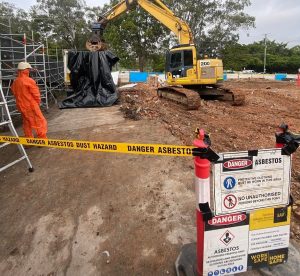
Post warning signs or barriers if others might unknowingly enter the area. This is especially important in shared buildings or workplaces where other people may not be aware of the situation.
Step 3: Minimise Personal Contamination
If you’ve been working directly with the disturbed asbestos, experts recommend removing your outer layer of clothing before entering other areas of your home. When handling potentially contaminated clothing or materials always wear personal protective equipment such as masks and disposable coveralls to minimise exposure. Remove shoes, work gloves and any protective equipment you were wearing. Place these items in heavy-duty plastic bags and seal them.
Do not shake out clothing or try to brush off dust. These actions will release more fibres into the air. If your hair or skin comes into contact with dust, shower as soon as possible using plenty of water. Wash your hair and body carefully allowing the water to rinse away any fibres rather than rubbing vigorously which could embed fibres into your skin.
Any clothing worn during the disturbance should be washed separately from other laundry. Use a full water level and rinse cycle. After washing contaminated clothing, run the washing machine through an empty rinse cycle to flush out any remaining fibres.
Step 4: Contact Licensed Asbestos Professionals
This is not a DIY situation. Contact a licensed asbestos assessor or asbestos removal service immediately. In Brisbane asbestos removal must be carried out by licensed professionals who have the proper training, equipment and disposal methods to handle contaminated asbestos material safely. A professional asbestos removal service will follow strict safety regulations and comply with all legal requirements throughout the removal process.
A licensed assessor will:
- Conduct a thorough inspection and undertake air monitoring to determine the level of contamination
- Assess the extent of the disturbance
- Identify all materials that may contain asbestos
- Implement control measures to minimise airborne fibres
Step 5: Document
Take photos of the disturbed materials and the area, if possible without entering the contaminated zone. This may be for:
- Insurance claims
- Workplace safety reports
- Future reference if health concerns arise
- Legal protection
Write down what happened, including date, time, duration of disturbance, materials involved, and who was present. Note any symptoms that develop in the following days and weeks, but remember asbestos-related diseases have long latency periods.
Step 6: Notify
If it was in a workplace, tell your employer immediately. Employers have obligations under workplace health and safety legislation to manage asbestos risks and report certain incidents.
If you’re renting, tell your landlord or property manager straight away. They have a duty of care to ensure the property is safe and to arrange for professional assessment and removal.
In some cases, particularly in commercial or industrial settings, you may need to notify WorkSafe Queensland. Notifications may also need to be submitted to Safety Queensland as part of regulatory requirements. Your licensed asbestos professional will advise on reporting requirements for your situation.
What Not to Do
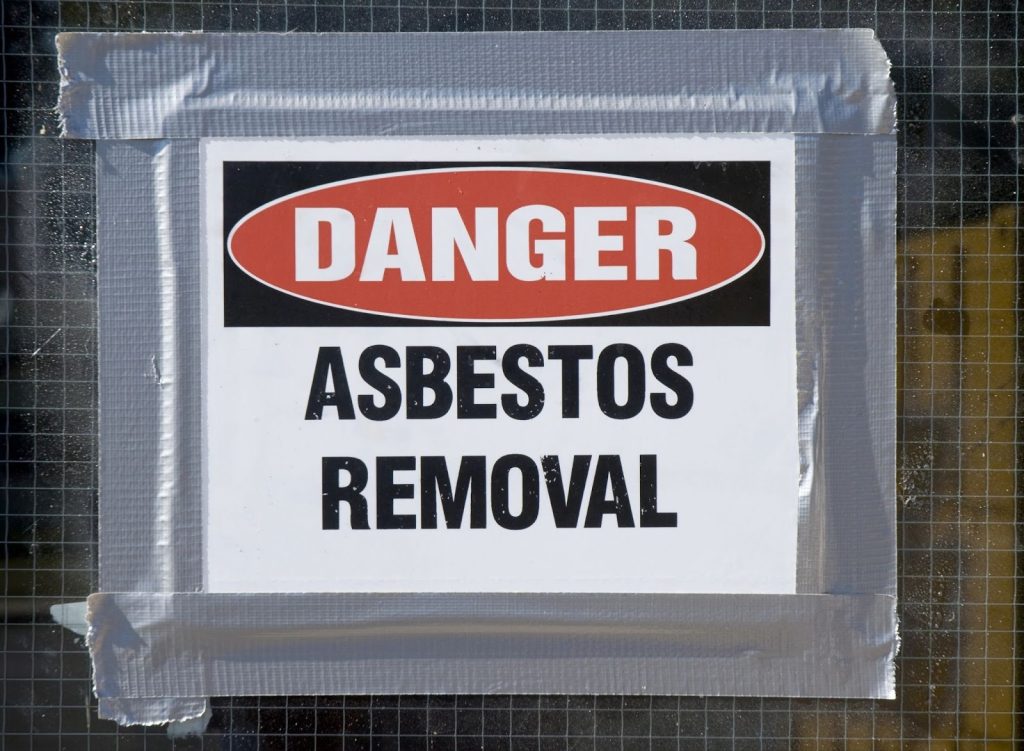
Don’t try to clean up the asbestos yourself, even if it seems like a small amount. You’ll just contaminate your property further as asbestos fibres spread beyond the original area. Don’t use a standard vacuum, broom or compressed air to clean the area. These will make the situation worse by spreading fibres over a much larger area.
Don’t use fans or open windows initially as air movement will spread fibres throughout your property. Professional assessors will determine when and how to ventilate. Don’t put disturbed materials in your regular rubbish bins. Asbestos waste must be disposed of at approved facilities using specific packaging and transport methods.
Long Term Health Monitoring
While a single exposure to disturbed asbestos rarely causes immediate symptoms, it’s a good idea to tell your doctor about the incident. They can note it in your medical records and may recommend periodic health monitoring if the exposure was significant.
Asbestos-related diseases can take 10 to 50 years to develop, so ongoing awareness is important. Symptoms to watch for are persistent cough, shortness of breath, chest pain or unexplained weight loss. But don’t panic if these symptoms don’t appear immediately after exposure, they’re signs of long term disease not acute exposure.
If you smoke, now is a good time to quit. Smoking combined with asbestos exposure increases the risk of lung cancer more than either risk factor alone.
Your Rights and Responsibilities
If you’re a homeowner you’re responsible for managing asbestos on your property. This includes engaging licensed professionals for any work involving asbestos containing materials and proper disposal. For more information on asbestos management for homeowners refer to Queensland Government resources.
Tenants who find asbestos disturbance are not liable for professional assessment and removal if the disturbance occurred during normal use of the property. However if damage was caused by negligence or intentional actions different rules apply.
Workers exposed to asbestos have extensive protections under workplace health and safety laws. Your employer must provide a safe work environment, proper training and appropriate PPE. If exposure occurred at work you may be entitled to workers’ compensation for medical monitoring and any future health issues.
Prevention for Future Projects
Once the immediate situation is sorted take steps to prevent future incidents. Before starting any renovation, demolition or maintenance work on buildings built before 1990 have a licensed asbestos assessor inspect the property. Asbestos was commonly used in many building materials, including bonded asbestos products which are less likely to release fibres unless disturbed. Many materials used in Brisbane homes during this period contained asbestos, including roof sheeting, wall cladding, flooring, insulation and decorative finishes.
Keep a register of known or suspected asbestos containing materials on your property. This register should include location, condition and type of material and photos for reference. Review and update this register regularly especially after any building work.
Professional Asbestos Removal: What to Expect
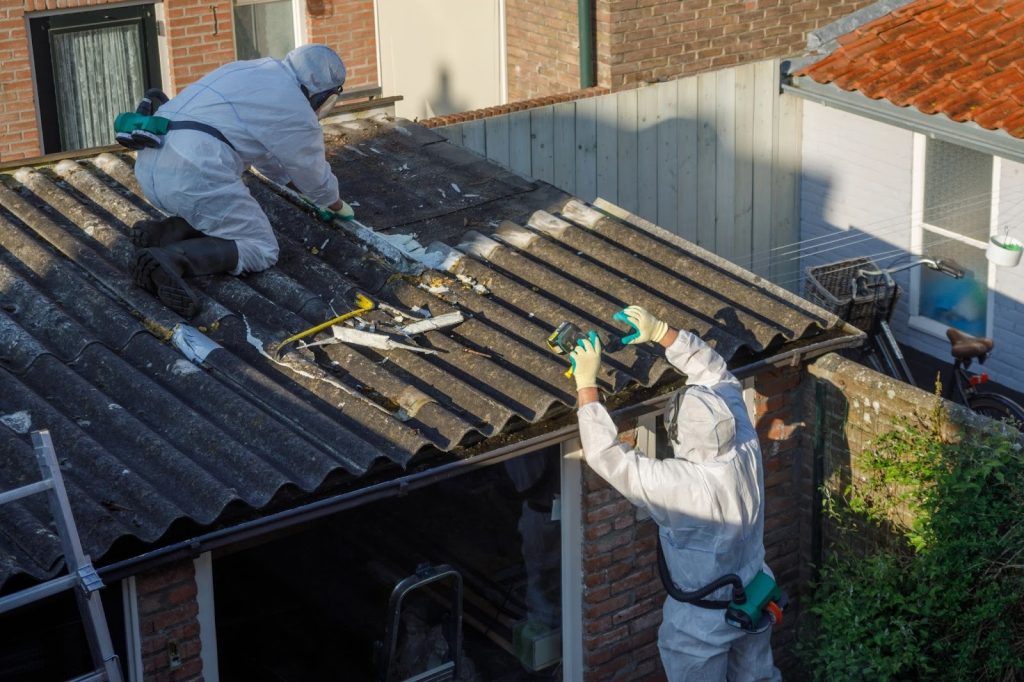
When licensed professionals arrive to fix your disturbed asbestos, Brisbane regulations require they follow strict protocols. Professional asbestos removalists can remove asbestos safely from a variety of materials, including roofing and floor tiles, in residential and commercial properties. The company is fully insured and offers asbestos removal services throughout Brisbane and surrounding areas, including the Sunshine Coast and Gold Coast.
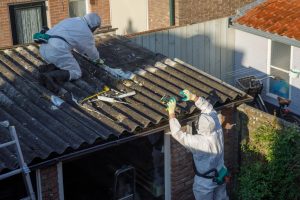
They’ll set up containment barriers using heavy plastic sheeting and negative air pressure systems to prevent the release of fibres from the work area. Workers will wear respiratory protection and disposable coveralls. They’ll wet down all material before removal to suppress dust, then package contaminated materials in approved bags or wrapping.
It’s important to understand the difference between friable asbestos and non friable asbestos. Friable asbestos can be easily crumbled or reduced to powder making it more hazardous and requires specialised friable asbestos removal procedures. Non-friable asbestos is more stable but can become dangerous if disturbed.
The whole process includes assessment, safe removal, asbestos disposal and post removal clearance to ensure no fibres are released. After removal they’ll clean the area using HEPA-filtered vacuums and wet-wiping methods. Finally they’ll do clearance air monitoring to confirm fibre levels have returned to background concentrations before the area is released for normal use. You’ll receive documentation certifying the work was done properly and the area is safe to reoccupy.
Clients can request a free quote or obligation free quote today and a detailed quote will be provided after assessment for peace of mind.
Act Now to Protect Yourself
If you’ve disturbed asbestos, residents should seek professional help immediately to minimise serious health risks, as time is of the essence; every minute the contaminated area remains unsealed allows dangerous fibers to spread further through the property. The significant health risks associated with improper management far outweigh the cost of professional remediation, making it crucial to contact a licensed asbestos removal team now for a fast response, professional assessment, and safe remediation.