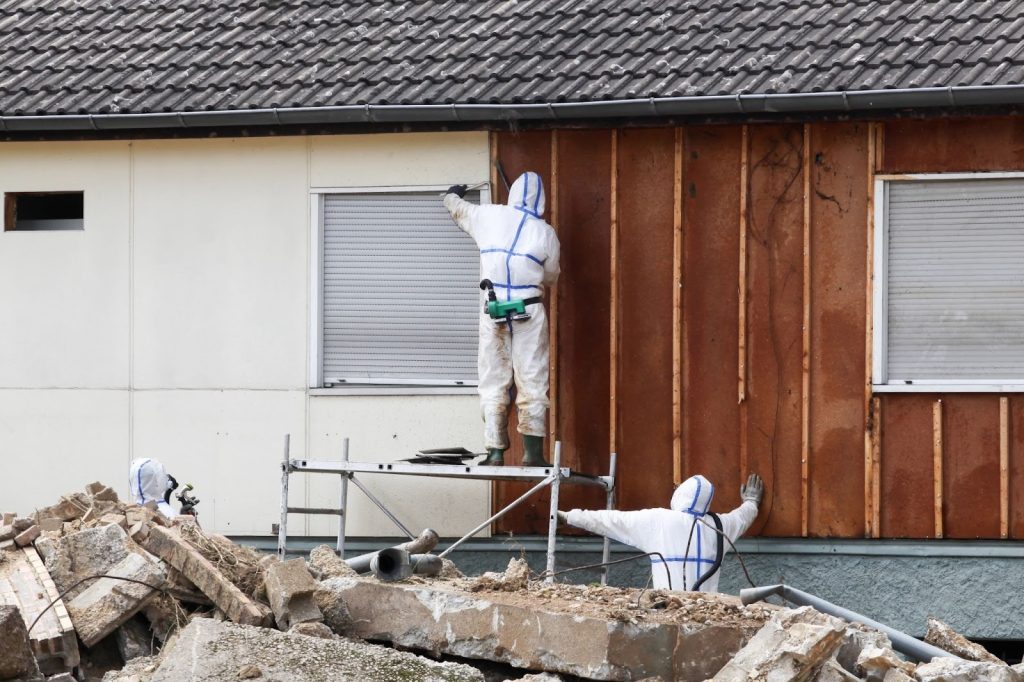
If you are doing any renovation or demolition project in River City, proper asbestos disposal is mandatory and must be included in your plans. Asbestos-containing materials (ACMs) are common in homes built before 1990 as asbestos was widely used in various products such as roofing, floor tiles and insulation. If asbestos is in the home, you need to identify any asbestos if found before you start work. The safe removal and disposal of asbestos is strictly regulated by Queensland law. Get it wrong and you risk serious health risks and fines of up to $50,000. Asbestos exposure can’t be overstated, it can cause long term health issues.
The Legal Bit: Why Safe Disposal is a Must
Asbestos fibres when disturbed become airborne and if inhaled can cause severe life threatening health risks including asbestosis, lung cancer and mesothelioma. Because of these risks it’s essential to follow safe handling procedures to minimise exposure. The handling, transport and disposal of ACMs is governed by strict legislation mainly through the Work Health and Safety Regulation 2011 and the Environmental Protection Act 1994.
In Brisbane and throughout Queensland asbestos is classified as a ‘regulated waste’. This means it can’t be placed in a standard skip bin, kerbside rubbish collection or dropped off at a general Council resource recovery centre and it can’t be disposed of with general waste. Illegal dumping is an offence and Council officers actively investigate reports of improper asbestos waste management. You need to protect the environment and community health by ensuring asbestos is managed and disposed of correctly.The first and most important piece of advice is: If you suspect you have asbestos, do not disturb it. Consult with a licensed asbestos removalist who can manage the whole process, from safe removal to lawful asbestos disposal in Brisbane. For more information refer to official government resources and safety guidelines on asbestos disposal.
Classifying Your Asbestos Waste: Friable vs. Non-Friable
The rules for handling and disposal differ greatly based on the type of asbestos materials you are dealing with. Proper classification of asbestos materials is essential for safety and compliance.
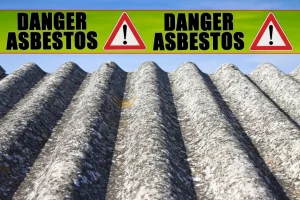
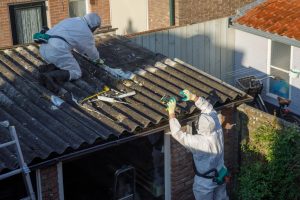
- Non-Friable (Bonded) Asbestos: This is the most common type, where asbestos is mixed with a bonding agent like cement (e.g. fibro sheeting, vinyl tiles, floor tiles). If in good condition it’s low risk but you must take care during removal. Homeowners can remove less than 10 square metres of non-friable material from residential properties under strict safety conditions but it’s highly recommended to use a licensed professional.
- Friable Asbestos: This is any asbestos containing material that is in a powdery form or can be easily crumbled or reduced to powder by hand when dry (e.g. pipe insulation, sprayed coatings). This material is the highest risk as fibres are easily released into the air. Only a Class A licensed asbestos removalist is allowed to remove and dispose of friable asbestos.
Important Note on Low Density Asbestos Fibre Board (LDB): The Queensland regulations reclassified LDB (sold under brand names like Asbestolux and Duralux) as a friable material. This means it must now only be removed by a Class A licensed removalist, regardless of the quantity.
Where to Take Asbestos Waste in Brisbane: Approved Facilities
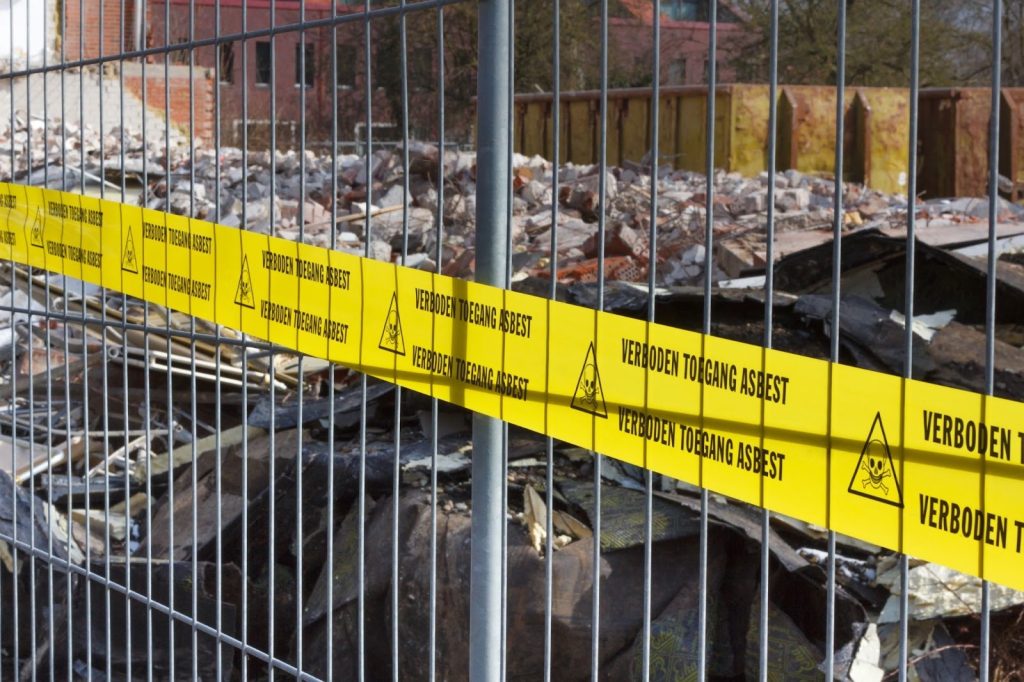
When looking for approved facilities for asbestos disposal in Brisbane you need to understand that only specific, licensed landfills can accept this hazardous material. Before transporting asbestos it’s important to confirm the exact location of the disposal facility to ensure you arrive at the right site. Brisbane City Council Resource Recovery Centres (like Chandler, Ferny Grove, Nudgee and Willawong) DO NOT accept asbestos or any loads containing asbestos items. You must call the landfill operator at least 24 hours in advance to notify them of your arrival, the quantity of waste and to confirm their current acceptance procedures and fees for your loads of asbestos waste. Each site may have specific requirements for the types of items and loads they accept so always check in advance.
The Main Approved Landfill in Brisbane
As a main disposal option within the city boundaries the following facility is licensed to accept asbestos:
- The Brisbane Landfill (Rochedale) – Address: 174 Gardner Road, Rochedale, QLD, 4123
- Prior Notification: Mandatory (typically 24 hours). Call (07) 3403 8888 to confirm.
- Acceptance Hours: Asbestos is accepted on specific days and times (e.g. Monday to Friday, 9:30 am–3:00 pm). Always call to verify current hours. If asbestos or fibre-cement sheeting is not properly wrapped or declared the material may be returned to the sender or customers may be turned away at the gate.
- Facility Rules: All customers must comply with facility rules for asbestos disposal including proper packaging and notification requirements.
- Disposal Fee: A disposal fee applies. Residents may be eligible for reduced or no fee, while commercial operators are subject to standard commercial rates. Please check with the facility for current fee details.
Other Major Approved Facilities Near Brisbane
Both residential and business users can use these facilities for safe asbestos disposal. While outside the immediate Brisbane LGA the following sites are licensed and often used for safe asbestos disposal in the greater South East Queensland region. Always check with the facility before you go.
- New Chum Landfill (Transpacific), New Chum
- Veolia Environmental Services Wattle Glen Landfill, Blacksoil
We recommend you visit the facility or their website for the most up to date information on disposal rules and fees. You can find your nearest approved facility by checking the official waste disposal page or contacting your local council.
Important Check: Regulations and facility capacities can change. Always call the landfill to confirm they are still accepting asbestos, their fees and their specific wrapping and transport requirements.
How to Prepare Asbestos for Transport and Disposal
Even if you are only transporting a small amount of non-friable asbestos, the packaging and containment procedures are strict and mandatory to prevent the release of airborne fibres. In some cases a waste transport certificate may be required to legally dispose of asbestos especially for larger quantities or specific types. Placing asbestos in regular bins is not permitted; it must be dealt with using asbestos-only skip bins or through licensed services. After removal ensure the area is thoroughly cleaned to prevent contamination and if you are dealing with asbestos contaminated soil, proper soil remediation is required. Non-compliance can result in the facility refusing your waste or regulatory penalties.
1. The Packaging and Wrapping Requirements
All asbestos waste must be double wrapped and sealed before leaving the site of removal. If required by the facility asbestos waste must be placed in a suitable container to prevent leaks or spills.
The following items must be packaged as described:
- Material: Use heavy-duty, virgin-grade plastic sheeting (polythene) with a minimum thickness of 0.2mm. Do not use standard builder’s plastic or garbage bags.
- Double-Wrap: The waste must be double-bagged or double-wrapped. Each piece must be completely enclosed.
- Sealing: Securely seal all seams and overlaps with strong adhesive tape, such as duct tape. Ensure no sharp edges from the ACM can puncture the plastic.
- Labelling: Each package must be clearly and indelibly labelled with prominent warning signs, stating: “CAUTION ASBESTOS” or “ASBESTOS WASTE”.
2. Transportation Rules
Asbestos is a ‘regulated waste’ and specific rules apply to its transport.
- Containment: The wrapped waste loads must be secured in a fully enclosed vehicle or a covered trailer to prevent movement or damage during transit. The plastic must remain intact.
- Weight Limits: For a non-commercial homeowner transporting loads of asbestos waste if the total amount exceeds 250kg waste tracking documentation is required.
- Commercial Transport: If your project generates more than 175kg of asbestos waste loads or if you are transporting loads on a commercial basis (even small amounts) you must hold an Environmental Authority to transport regulated waste and complete mandatory waste tracking documentation with the Department of Environment, Science and Innovation (DESI). This is why hiring a licensed professional is the safest, easiest and most compliant option.
3. Decontamination
You must decontaminate your vehicle, tools and clothing after handling or transporting asbestos waste.
- Wipe Down: Use a damp rag to clean surfaces, never dry-sweep or vacuum (unless using a H-Class vacuum).
- Waste Disposal: The cleaning rags and any disposable Personal Protective Equipment (PPE) used during the process must also be double-bagged, labelled and disposed of as asbestos waste at the licensed facility.
Engage the Professionals
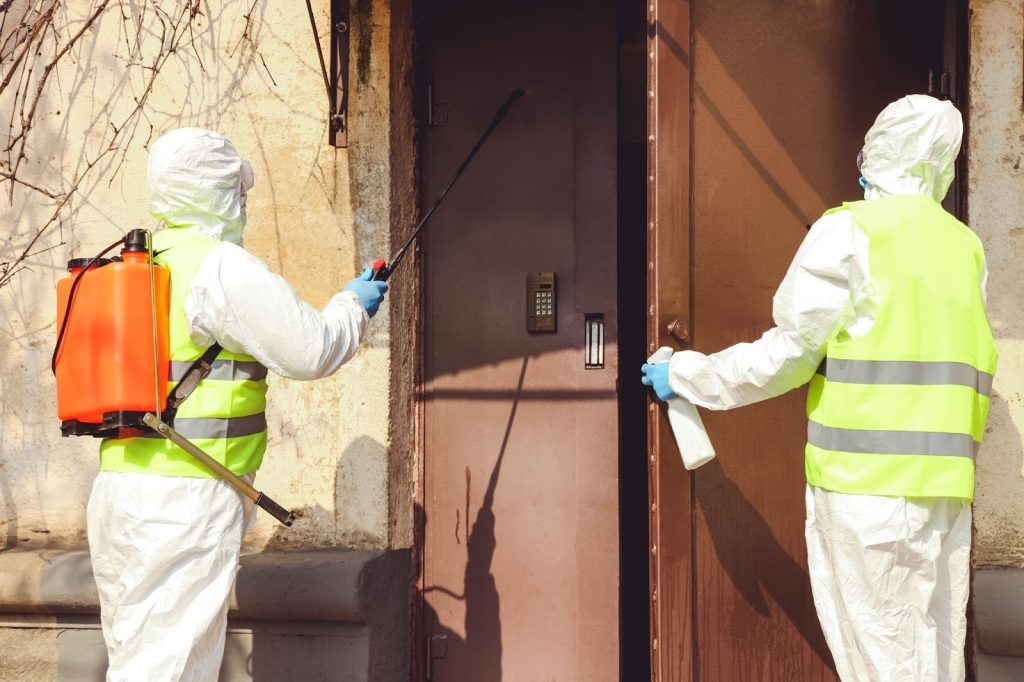
While Queensland regulations allow homeowners to remove and dispose of small amounts of bonded asbestos, the technical difficulty, strict safety protocols and severe health risks involved make professional engagement the recommended option. Engaging licensed professionals protects your health and the environment by ensuring all hazardous materials are handled safely and responsibly.
A licensed asbestos removalist offers:
- Guaranteed Compliance: They hold the required Class A or B licences, use compliant safety systems and manage all paperwork including WorkSafe Queensland notifications and waste tracking documentation.
- Asbestos Skip Bins: They use dedicated, fully-lined and clearly labelled asbestos skip bins which prevent cross-contamination and ensure secure transport to the approved disposal site.
- Containment: They use air monitoring, enclosure methods and decontamination units to eliminate the risk of fibre release on your property.
- Customised Solutions: They can tailor their services to your specific requirements including waste types, disposal methods and bin specifications.
Get a quote from licensed professionals for asbestos removal and disposal to see the costs and services tailored to your needs.
When you engage a professional for your asbestos removal you are not just buying a service, you are buying expertise, peace of mind and the absolute assurance of safe, compliant asbestos disposal in Brisbane.
Stop Worrying and Start Safely
Asbestos is a big deal but its management doesn’t have to be a nightmare. By understanding the rules for asbestos disposal in Brisbane, from wrapping to disposal you are protecting your community and avoiding legal issues.
For full and up-to-date information check out government resources and guidelines on asbestos management and waste disposal.The safest, most reliable and fully compliant option is always to go with the experts. Don’t risk your health or your wallet by trying to navigate these complex regulations yourself.
Get in touch with our certified team today to discuss your asbestos removal job and get safe, compliant asbestos disposal from start to finish. Call us for more info 0489 266 970.